Horseradish – Health Benefits, Nutrition Facts, Side Effects
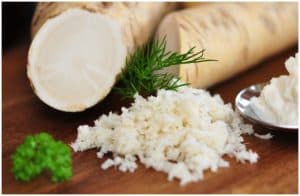
Horseradish (botanical name – Armoracia rusticana) is a root vegetable that’s most usually consumed as a spice of the Brassicaceae …
Horseradish (botanical name – Armoracia rusticana) is a root vegetable that’s most usually consumed as a spice of the Brassicaceae …
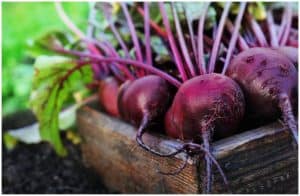
The regular color of urine can range from a translucent yellow to amber. This appearance of your urine can be …
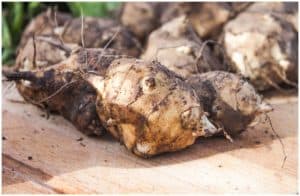
Jerusalem artichokes (botanical name – Helianthus tuberosus), also known as sunroots or sunchokes, are used as a root vegetable and …

Salt is sodium plus chloride. In tiny quantities, both chloride and sodium are essential for growth and health. However, too …

Fucoidan is a sulfated polysaccharide derived from various species of brown seaweed and brown algae, such as – kombu (Saccharina japonica), …

Hyaluronic Acid (HA), also named hyaluronan or sodium hyaluronate, is a natural glycosaminoglycan that occurs naturally in connective tissues and …

Splenda, better known as sucralose, is an artificial sweetener that is actually 400-700 times sweeter than sucrose (table sugar). It …

Magnesium glycinate is one of the most absorbable forms of magnesium, with minimum risks of causing diarrhea. This supplement is …

Calcium Disodium EDTA, also known as ethylenediaminetetraacetic acid, is an odorless, colorless chelating agent which is usually used as a …

The purpose of a colonoscopy is to look inside the colon for cancers, polyps, ulcers, and recheck the colon following …
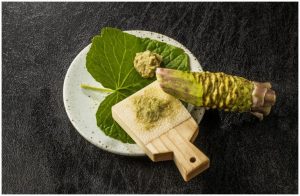
Wasabi, also known as the Japanese horseradish, is a member of the Brassicaceae family (that includes mustard, turnip, cabbage, and cauliflower) …

Depression is a medical and mental health condition that affects millions of people worldwide. Symptoms include but aren’t limited to …