Arginine – Definition, Functions, Uses, Health Benefits, Top Foods, and Side Effects
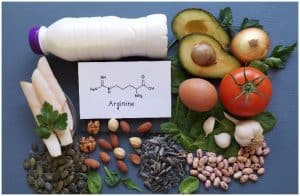
Definition It is a semi-essential amino acid for adults, but essential for infants, children, and adolescents in the period of growth …
Definition It is a semi-essential amino acid for adults, but essential for infants, children, and adolescents in the period of growth …

In the United States, approximately 72 million people have high blood pressure – about 1 in every 3 adults. It …
Soy milk is a plant milk produced by soaking dried soybeans and grinding them with water. It is found in …
Oolong tea, also known as wu long or qing cha, is a traditional Chinese semi-green tea from the stems and …
Fenugreek (Trigonella foenum-graecum) is an annual herb in the family Fabaceae, similar to clover, that is native to the Mediterranean region, …

Cystic fibrosis (CF) is a rare genetic disease that affects the digestive and respiratory systems in children and young adults. …
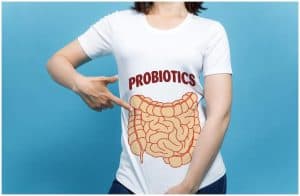
The term probiotic (meaning “promoting life” or “for life”) refers to foods and dietary supplements which contain “friendly” or “beneficial” bacteria. …
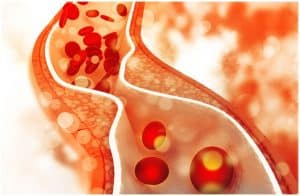
There are 2 types of cholesterol: HDL – high-density lipoprotein (good) – picks up excess cholesterol and takes it back to …

Essential oils have been used throughout history due to their naturally high content of organic compounds extracted from stem, leaves, …

Carpal tunnel syndrome is a disorder of the hand and wrist, caused by pressure on the median nerve, as it …
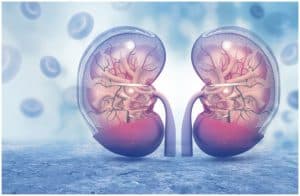
Kidney stones are small rocks that develop in the kidney. They form when certain chemicals become concentrated enough in the …
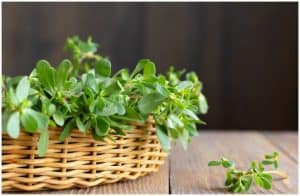
Purslane (scientific name – Portulaca oleracea), also known as pursley or pigweed, is a weed that has many health benefits. …